The Importance of Wood Preservation Techniques in 2026
In an era where sustainability and longevity of materials are paramount, effective wood preservation techniques have gained significant attention. As wood remains a preferred material in various industries—from construction to furniture making—understanding how to protect it from pests, particularly woodworm, is crucial. The challenges posed by woodworm infestations not only damage the aesthetic appeal and structural integrity of wooden products, but they can also lead to costly repairs and replacements. Utilizing advanced technologies, such as those offered by Shashel, can mitigate these risks and enhance wood preservation strategies.
Understanding Woodworm Infestation and Its Impact
Woodworm refers to the larvae of various beetles, such as the common furniture beetle, which burrow into the wood, causing significant damage. The larvae feed on cellulose, leading to structural weaknesses that may remain undetected until it's too late. The impacts of such infestations are not only cosmetic; they can compromise the safety and functionality of wooden structures and items. Timely intervention and effective treatment methods are essential to prevent further damage and maintain the quality of wood products.
Benefits of Using Microwave Technology for Wood Preservation
One of the most promising advancements in wood preservation is the use of microwave technology. This method offers several key benefits, making it an efficient alternative to traditional pest control techniques.
- Rapid Treatment: Microwave technology effectively eliminates woodworm infestations within minutes, drastically reducing the downtime of the treated materials.
- Non-Toxic Approach: Unlike chemical treatments, microwaves are safe for both the environment and human health, ensuring that no harmful residues are left on the wood.
- Deep Penetration: Microwaves penetrate deep into the wood, ensuring that all life stages of wood-boring insects are targeted effectively.
Shashel's Role in Innovative Pest Control Solutions
Shashel's unique technology leverages the benefits of microwave treatment to offer customizable solutions for wood preservation. By focusing on the specific needs of different industries, Shashel positions itself as a leader in innovative pest control. Their equipment is designed not just for effectiveness, but also for ease of use, making it accessible for businesses of all sizes.
How Shashel Equipment Works: A Technical Overview
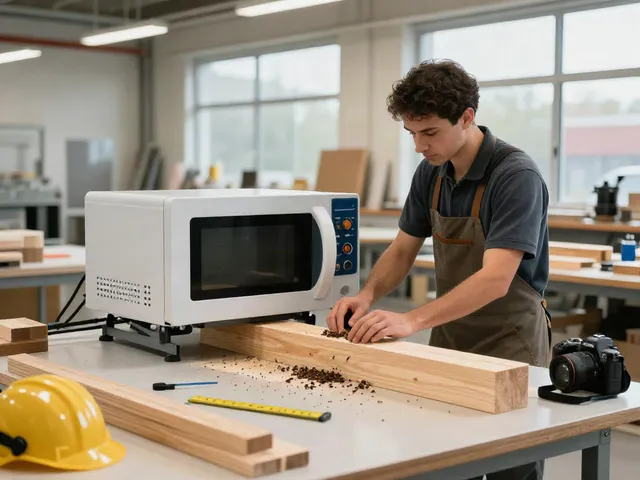
Understanding the mechanics behind Shashel's equipment is critical for maximizing its effectiveness. The technology is based on the principles of microwave energy, which causes rapid heating that is lethal to wood-boring insects.
The Science Behind Microwave Pest Elimination
Microwaves generate electromagnetic waves that heat the water molecules within the wood. As these molecules vibrate, they produce heat that can reach temperatures lethal to pests without damaging the wood itself. This technique effectively kills insects at all life stages, offering a comprehensive solution to woodworm infestations.
Key Features of Shashel Equipment
Shashel equipment is designed with user-friendliness and efficiency in mind. Key features include:
- Portable Units: Easy to move and set up, allowing treatment in various locations.
- Automated Controls: Intuitive interfaces that allow for precise temperature and duration settings.
- Durability: Built to withstand rigorous use in industrial settings.
Comparative Analysis with Traditional Methods
When compared to traditional pest control methods, such as chemical fumigation or heat treatment, Shashel's microwave solution outperforms in several areas:
- Speed: Microwaves work in a fraction of the time compared to heat treatments that can take hours to be effective.
- Environmental Impact: Unlike chemical treatments, which can leave toxic residues, microwaves provide a clean and safe solution.
- Cost-Effectiveness: Reduced treatment time translates into lower labor costs and less downtime.
Best Practices for Utilizing Shashel in Wood Treatment
To fully leverage the benefits of Shashel's technology, adherence to best practices is essential. This ensures the highest level of effectiveness and safety during the treatment process.
Step-by-Step Guide to Operating Shashel Machines
- Prepare the Wood: Ensure that the wood to be treated is clean and free of any external debris.
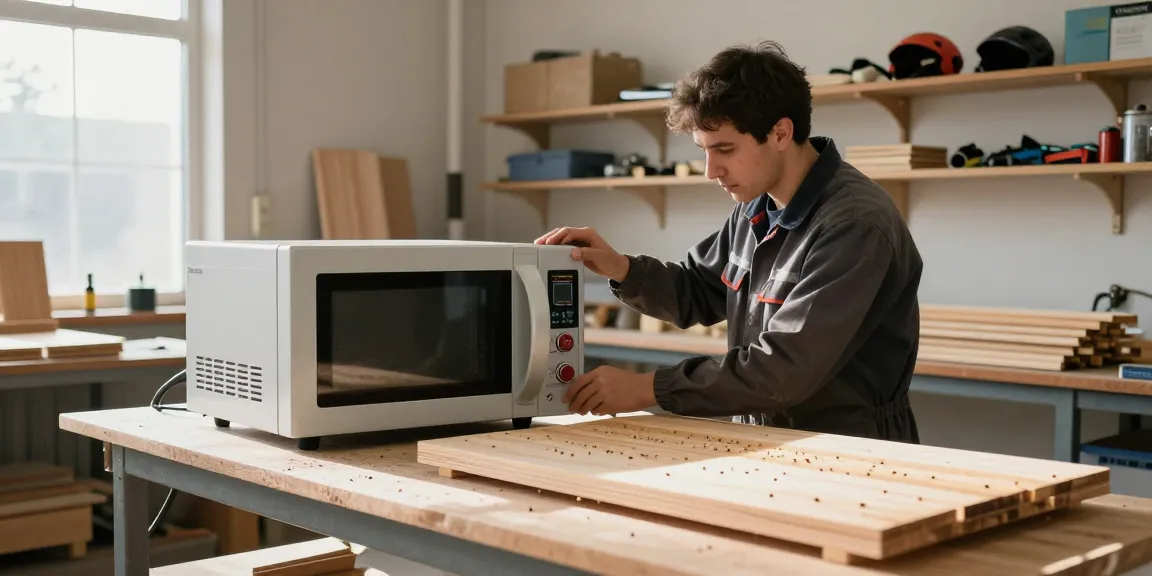
- Set Up the Equipment: Position the microwave unit in a well-ventilated area, away from flammable materials.
- Adjust Settings: Input the appropriate settings based on the thickness and type of wood.
- Initiate Treatment: Start the treatment cycle and monitor the process as required.
- Post-Treatment Inspection: After treatment, inspect the wood to ensure all pests have been eliminated.
Safety Measures to Consider During Use
Safety is paramount when operating any pest control equipment. Key safety measures include:
- Wearing protective gloves and eyewear.
- Ensuring the area is free from unauthorized personnel during operation.
- Regular maintenance of equipment to avoid malfunctions.
Maximizing Efficiency and Effectiveness in Treatment
Maximizing the effectiveness of Shashel equipment involves understanding the types of wood and the specific pests present. Regular training for staff on the latest techniques and equipment handling can also improve overall efficiency.
Case Studies: Successful Applications of Shashel Technology
Real-world applications often provide the best insights into the effectiveness of a technology. The following case studies illustrate how Shashel's equipment has transformed wood preservation efforts.
Real-World Examples of Woodworm Elimination
In a notable case, a furniture manufacturer facing persistent woodworm issues turned to Shashel technology. After implementing microwave treatment, the company reported a complete eradication of woodworm, combined with improved customer satisfaction due to the restoration of their product's integrity.
Feedback from Industry Experts and Users
Industry experts consistently praise Shashel's innovative approach. Users have noted the ease of operation and the speed of treatment as significant advantages over traditional methods, leading to better overall business outcomes.
Lessons Learned and Future Improvements
Continuous feedback from users has allowed Shashel to refine their technology further. Implementing user suggestions has led to improvements in equipment portability and control mechanisms, making treatments even more efficient.
Looking Ahead: Trends in Wood Preservation for 2026 and Beyond
The landscape of wood preservation is continually evolving, and staying ahead of trends is essential for industry professionals. Here are some anticipated developments that could impact wood treatment practices.
Emerging Technologies Complementing Shashel Solutions
Looking forward, innovations such as nanotechnology and biotechnology are expected to emerge alongside existing microwave solutions, providing even more robust pest control options and enhancing the durability of treated wood.
Anticipated Regulatory Changes Affecting Treatment Options
As environmental concerns rise, regulatory bodies are likely to impose stricter guidelines on chemical pest control methods. This shift will make microwave technology, like that from Shashel, increasingly attractive to businesses looking for compliant and effective solutions.
Adaptation Strategies for Businesses in the Wood Industry
To remain competitive, businesses will need to adapt to new technologies and regulations. Investing in training and innovative equipment will be key to overcoming challenges and ensuring long-term success in wood preservation.
What Is the Best Way to Treat Wood for Infestation?
The best way to treat wood for infestation is through proactive measures, including regular inspections and immediate treatment upon detection of woodworm. Utilizing advanced technology, such as Shashel's microwave treatment, provides an effective means of ensuring wood longevity.
How Does Shashel Ensure Safety in Its Equipment?
Shashel prioritizes safety through rigorous testing and adherence to international safety standards. Their equipment is designed to minimize risks, incorporating fail-safes and user-friendly interfaces for safe operation.
What Are the Most Common Wood Species Affected by Woodworms?
Common wood species affected by woodworms include oak, pine, and ash. These materials, rich in cellulose, provide optimal conditions for wood-boring beetles to thrive.
Can Microwave Treatment Damage Wood Quality?
No, when applied correctly, microwave treatment does not damage wood quality. It effectively eliminates pests without affecting the structural integrity or appearance of the wood.
How Long Does It Take for Shashel's Equipment to Work?
Shashel's equipment delivers results within minutes, allowing for rapid turnaround times and minimal disruption to operations. This efficiency is one of the key advantages over traditional methods.